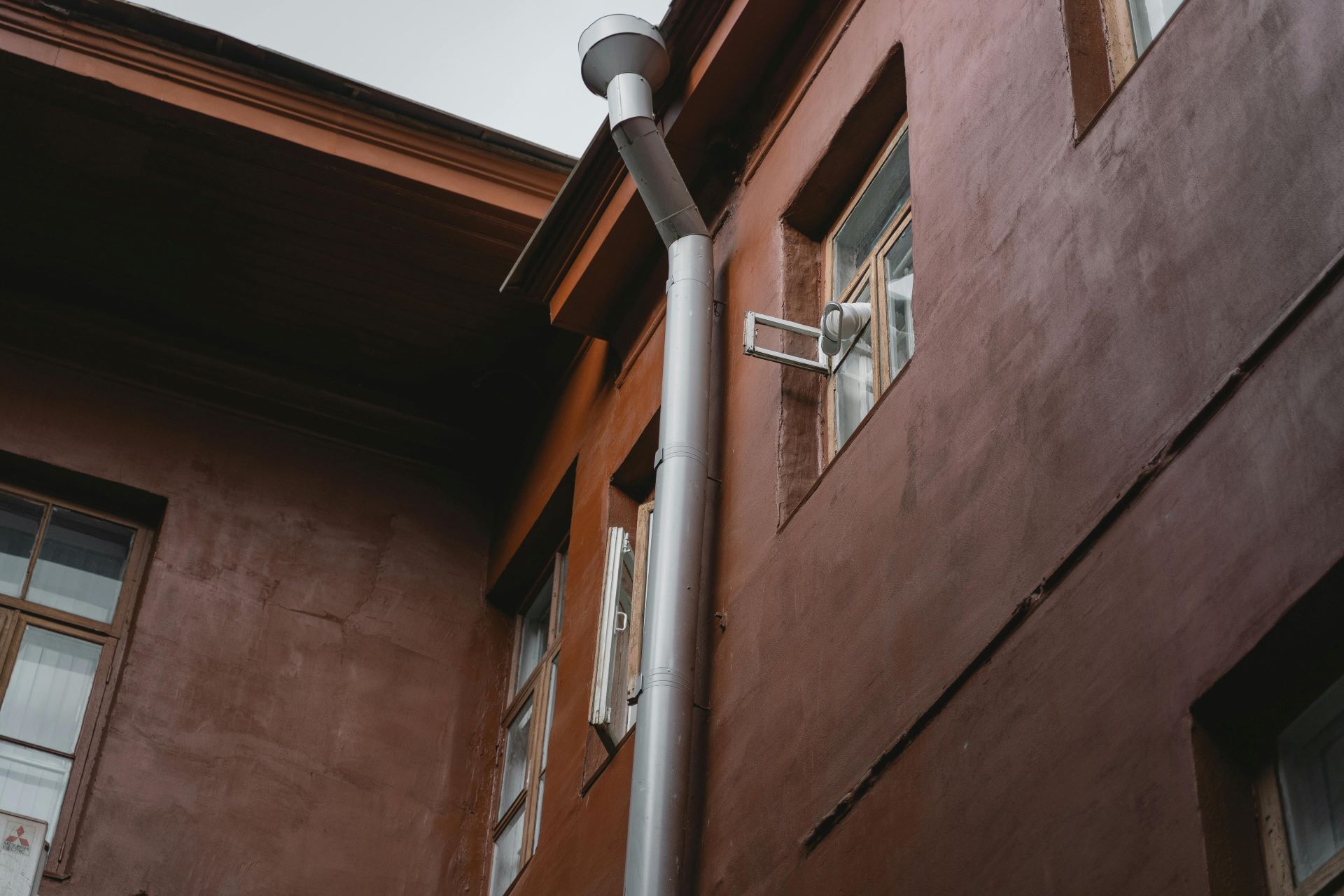
Drainage Blockages and Structural Water Damage Risks
The Quiet Failure Beneath the Surface
In South African construction and building maintenance, water is rarely the villain on its own. It is usually what stops water from moving that becomes the real problem. A drainage system, whether on a commercial roof, a parking deck, or a subsoil channel, is designed to behave like a controlled river. Once debris accumulation begins, that river turns into a stagnant pool. And when water stops flowing outward, it begins pressing inward.
This is where structural damage begins its slow, almost invisible journey.
Blocked drainage systems rarely announce themselves loudly at first. Instead, they whisper through small signs: a damp corner that wasn’t there before, a faint ceiling stain, a paving slab that feels slightly hollow. By the time these signals become obvious, water has often already migrated beyond surface systems and into structural layers that were never meant to hold moisture.
In South Africa’s climate, where intense summer storms can dump large volumes of rain in short bursts, drainage systems are pushed hard. When even a small blockage forms, overflow is not a possibility. It is a certainty.
Debris Accumulation as the First Point of Failure
Most drainage failures begin with something deceptively harmless: leaves, dust, sand, packaging waste, and wind-blown organic matter. On their own, these materials seem insignificant. But in gutters, outlets, and stormwater channels, they act like a slow-forming dam.
Over time, debris accumulation reduces hydraulic capacity. Water begins to pool instead of moving freely. In commercial and industrial buildings, this is especially common around flat roofs, box gutters, and parapet outlets where maintenance access is limited or irregular.
Once the flow path is restricted, water seeks alternative routes. It does not simply “stay put.” It rises, spreads laterally, and begins to exploit weaknesses in waterproofing layers, joints, and micro-cracks in concrete.
This is the critical turning point: drainage systems stop behaving like drainage systems and start behaving like reservoirs pressed against the building envelope.
Overflow and the Hidden Migration Into Structural Layers
When drainage systems overflow, water rarely stays visible for long. It begins to infiltrate layers beneath the surface, following the path of least resistance.
On flat concrete roofs, overflow water often penetrates through micro-cracks and construction joints. On podium decks, it may travel beneath paving systems, saturating bedding layers. In retaining walls and basements, water pressure increases behind the structure, forcing moisture through pores and weak points.
This process is often underestimated because it is gradual. Unlike a burst pipe, structural water ingress does not present as a single event. It behaves more like a slow diffusion process, where moisture spreads through capillary action and pressure gradients.
In South African commercial buildings, this is particularly problematic in areas exposed to seasonal downpours followed by intense drying cycles. Expansion and contraction open pathways for water, and repeated wetting increases penetration depth over time.
What begins as overflow becomes infiltration. And infiltration becomes structural saturation.
Hydrostatic Pressure: The Invisible Force Against Foundations
Once water accumulates around or beneath a structure, it begins to exert hydrostatic pressure. This is one of the most destructive yet least visible forces acting on buildings.
In subsoil conditions, especially in clay-rich areas common across parts of South Africa, water does not drain quickly. Instead, it builds pressure against foundations, basement walls, and retaining structures.
This pressure forces water into any available gap, even microscopic ones in concrete. Over time, this leads to:
- Cracking in foundation walls
- Damp ingress through basement surfaces
- Deformation in retaining structures
- Weakening of reinforcement due to corrosion
This is not immediate failure. It is progressive deterioration, often unfolding over months or years. By the time internal damp becomes visible, reinforcement steel may already be compromised.
In commercial construction, this is one of the most expensive forms of hidden damage because it is rarely detected during early stages without targeted inspection.
South African Conditions That Amplify Drainage Stress
South African buildings operate under a unique combination of environmental pressures that intensify drainage-related risks.
Heavy seasonal rainfall events, particularly in summer rainfall regions, create sudden surges in stormwater systems. These surges overwhelm poorly maintained or undersized drainage infrastructure.
At the same time, many areas feature clay-rich soils that retain water instead of dispersing it. This increases lateral movement of moisture around foundations and underground structures.
Add to this the widespread use of flat roofs and concrete slabs in commercial and industrial design, and the result is a system heavily dependent on flawless drainage performance.
But “flawless” rarely exists in real-world conditions. Small maintenance gaps, missed cleanouts, or unnoticed blockages are enough to trigger overflow conditions.
Once that happens, water does not simply drain away. It begins to infiltrate the structure itself.
Roof Drainage Systems: Where Blockages Start Quietly
Roof systems are often the first point where debris accumulation becomes critical. Leaves, dust, construction residue, and even bird nesting material can obstruct outlets.
When outlets become partially blocked, water does not immediately spill over. Instead, it ponds.
Ponding water places continuous stress on waterproofing membranes. Unlike rain exposure, which is temporary, ponding creates prolonged contact. This accelerates membrane degradation, especially under UV exposure and thermal cycling common in South Africa.
As waterproofing weakens, water begins to penetrate beneath the surface layer. From there, it can migrate horizontally across slabs before eventually finding entry points into internal spaces.
This is why roof drainage blockages are rarely “roof problems” alone. They often become ceiling damp, electrical issues, and interior finishing failures.
Subsoil Drainage Failure and Foundation Saturation
Below ground level, drainage blockages become even more dangerous because they are invisible until damage is advanced.
Subsoil drains are designed to relieve water pressure around foundations and retaining walls. When these systems clog with silt, fine particles, or root intrusion, they stop functioning as intended.
Water then accumulates in the soil, increasing hydrostatic pressure against the structure.
In many South African commercial and residential sites, this is exacerbated by inconsistent maintenance practices. Inspection chambers may be ignored for years, allowing sediment buildup to go unnoticed.
Once subsoil drainage fails, water has no controlled exit path. It migrates directly toward the structure, exploiting every weakness in waterproofing and construction joints.
At that stage, the building is no longer protected by drainage. It is being actively pressed by it.
Structural Consequences of Prolonged Water Intrusion
When water consistently enters structural layers, the damage compounds over time.
Concrete, while durable, is porous. Continuous moisture exposure allows water to reach embedded steel reinforcement. Once steel begins to corrode, it expands, creating internal stress within the concrete matrix.
This leads to:
- Spalling concrete surfaces
- Widening structural cracks
- Loss of load-bearing efficiency
- Reduced lifespan of structural elements
In addition, persistent damp conditions encourage mould growth and internal material degradation, affecting plaster, finishes, and insulation systems.
What makes this particularly challenging in commercial construction is that damage often spreads beyond the original point of entry. Water migrates laterally, meaning a blocked drain on a roof can eventually manifest as damage in a completely different part of the building.
Maintenance Gaps: The Real Root Cause
While drainage design is critical, most structural water damage in practice is not caused by design failure alone. It is caused by maintenance gaps.
Blocked outlets are rarely sudden events. They develop gradually through:
- Infrequent cleaning schedules
- Lack of inspection after storms
- Accumulation of wind-blown debris
- Undetected sediment buildup in underground lines
In many cases, systems function perfectly when installed but degrade over time due to neglect rather than structural flaw.
This is why routine inspection is not optional in high-risk environments. It is part of structural protection.
Early Warning Signs Often Missed
Before visible damage appears, buildings usually show subtle indicators:
- Localised damp patches on ceilings or walls
- Overflow marks around roof outlets
- Slight pooling on flat surfaces after rainfall
- Musty odours in enclosed areas
- Hairline cracks near moisture-prone zones
These signs are often dismissed as cosmetic or minor. In reality, they are indicators that water is already moving through unintended pathways.
Once these signs appear, intervention becomes significantly more cost-effective than waiting for structural damage to develop.
Preventing Overflow Into Structural Layers
Preventing drainage-related structural damage relies on maintaining uninterrupted flow paths for water at every stage of the system.
This includes:
- Regular removal of debris from gutters and outlets
- Inspection of underground drainage lines for sediment buildup
- Ensuring correct roof falls to prevent ponding
- Checking subsoil drainage outlets for blockages
- Maintaining access to inspection chambers
In commercial construction environments, maintenance frequency must align with environmental exposure. High debris zones or high rainfall areas require more frequent checks than low-risk sites.
The principle is simple: water must always have a clear exit route. When that exit is compromised, the building becomes the next pathway.
When Water Stops Flowing, Structures Start Absorbing
Drainage systems are often treated as background infrastructure, quietly doing their job without attention. But when debris accumulation interrupts flow, the consequences extend far beyond surface flooding.
Overflow does not remain superficial. It migrates, infiltrates, and ultimately integrates into structural layers where it was never intended to exist.
In South African construction conditions, where rainfall intensity and soil behaviour already place stress on buildings, drainage blockages become a primary catalyst for long-term structural deterioration.
The difference between a functioning building and a failing one is often not dramatic. It is a matter of whether water is moving away from the structure… or quietly moving into it.
Article Classification
Senior Professional
Specialized technical insights from our structural engineering and commercial construction division.